What We Do
KAWR The Kenya Association of Waste Recyclers drives sustainable waste management through advocacy, education, data-driven insights, and strategic partnerships. We work with communities, policymakers, and businesses to grow a thriving circular economy in Kenya.
Advocacy and Stakeholder Engagement
KAWR represents Kenya’s recyclers in shaping policy, fighting unfair practices, and promoting enabling laws such as unified licensing, removal of county cess fees, and inclusion of informal waste actors.
Education and Public Awareness
Lead campaigns that promote waste separation at source, circular economy literacy in schools and communities.
Capacity Building and Inclusion
Strengthen the circular economy by training youth, women, and CBOs, partnering with technical institutions, and promoting decent work and green jobs.
Legislative Monitoring and Legal Compliance
Support recyclers to understand environmental laws, engage in policy reforms, and access legal assistance when needed.
Advocacy and Stakeholder Engagement
KAWR serves as the collective voice of recyclers in Kenya, representing their interests in engagements with government institutions, regulators, development partners, and the private sector. Through structured advocacy, the Association seeks to address unfair practices and promote an enabling policy and regulatory environment. Key focus areas include advocating for harmonized and unified licensing regimes, the removal of burdensome county cess fees, and the formal recognition and inclusion of informal waste actors within national and county waste management systems.
EDUCATION and public awareness
KAWR leads education and public awareness initiatives aimed at fostering sustainable waste management practices and advancing the circular economy. These initiatives include promoting waste separation at source, enhancing circular economy literacy within schools and communities, and encouraging environmentally sound practices. Through targeted campaigns and partnerships, KAWR contributes to long-term behavioral change and increased public participation in sustainable waste management.
CAPACITY BUILDING AND INCLUSION
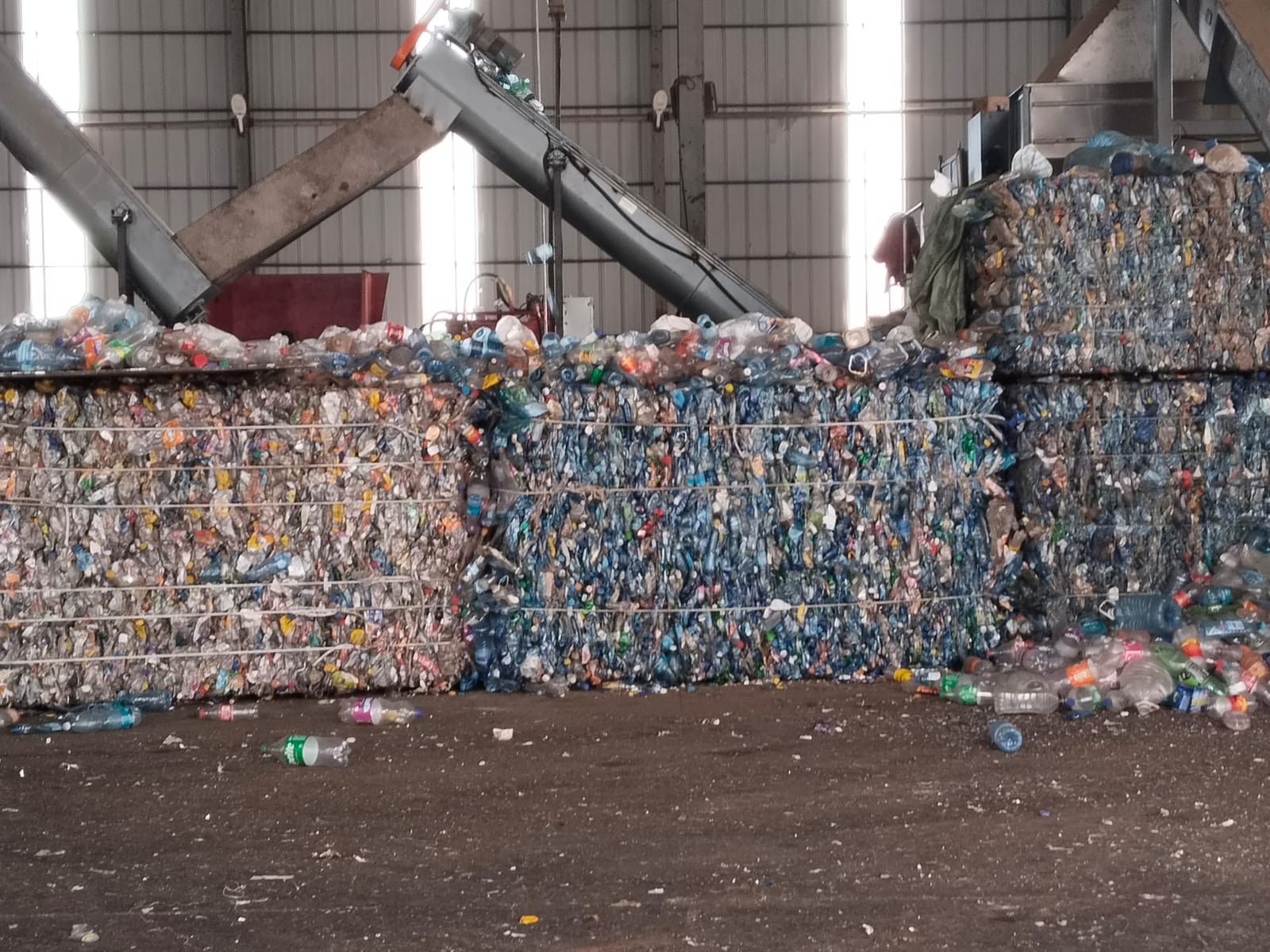
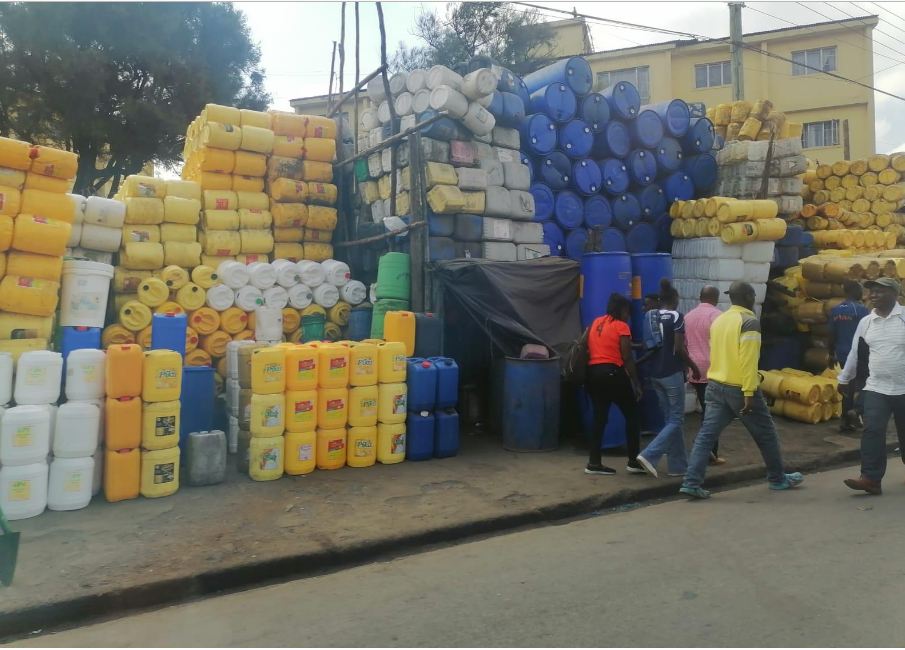
KAWR is committed to strengthening the circular economy through inclusive capacity-building initiatives that target youth, women, and community-based organizations. The Association collaborates with technical and training institutions to enhance skills development across the waste value chain and promotes decent work standards and occupational safety. By supporting the creation of sustainable green jobs and inclusive participation, KAWR contributes to a resilient, equitable, and socially responsible recycling sector.
LEGISLATIVE MONITORING AND LEGAL COMPLIANCE
KAWR undertakes continuous monitoring of the legislative and regulatory environment affecting the waste and recycling sector to ensure that its members are well informed and adequately supported. This includes interpreting existing and emerging environmental laws, engaging constructively in policy review and reform processes, and providing guidance on compliance requirements. Where necessary, KAWR facilitates access to legal advisory and support services to help recyclers address regulatory challenges and safeguard their operations.
Our Approach
Kenya’s waste and recycling sector is powering a cleaner, greener future—creating jobs, driving innovation, and cutting emissions. Our collective efforts are turning today’s waste into tomorrow’s opportunity, with measurable impact and bold targets ahead.
The Sector in Numbers
Kenya’s waste recycling sector is poised for rapid growth by 2030. Daily waste recovery is projected to increase from 10% to 50%, supporting over 400,000 jobs and boosting turnover from KES 40 billion to KES 210 billion. This expansion will more than triple the sector’s GDP contribution, reinforcing its role as a key driver of green economic growth.
The waste recycling sector in Kenya is a powerful driver of sustainable development, directly contributing to the United Nations Sustainable Development Goals (SDGs). By collecting, processing, and reusing waste materials the industry reduces environmental pollution, conserves natural resources, and advances Kenya’s green economic growth.
| Indicator | 2019 | 2030 Target |
|---|---|---|
| Daily Waste Generated | 24,000 tons | 33,000 tons |
| Daily Waste Recovered | 2,400 tons (10%) | 16,500 tons (50%) |
| Jobs Supported | 81,000 people | 405,000 people |
| Sector Turnover | KES 40 Billion | KES 210 Billion |
| GDP Contribution | 0.42% | 1.3% |
Our Contribution to the SDGs
Driving Impact through sustainable waste management.
SDG 6: Clean water & Sanitation
Proper waste management help prevent pollution of waste sources through leachates and plastic debris.
SDG 8: Decent work & Economic Growth
Empowering waste pickers, youth and MSMEs through job creation and improving livelihood
SDG 9: Industry, Innovation and Infrastructure
By supporting the growth of recycling infrastructure and innovations (e.g., waste tech, pyrolysis), KAWR fosters sustainable industry and innovation.
SDG 11: Sustainable Cities & Communities
Strengthening urban waste systems to enhance sanitation and improve public health.
SDG 12: Responsible Consumption & Production
Promoting upcycling and driving consumer awareness on sustainable choices
SDG 13: Climate Action
Reducing greenhouse gas emissions through waste diversion from landfills and minimizing reliance on virgin resources.
SDG 17: Partnership for the Goals
KAWR works through a multi-stakeholder engagement including collaboration with government, private sector, development partners and communities.
Programs
Access to Green Finance Initiative: Multisectoral Policy Working Group on Circular Economy.
A key element to strengthening green entrepreneurship in Kenya, is the engagement with policymakers to help build more supportive enabling environments and incentivize formalization and scaling of green businesses.
KAWR Sectoral Committees:
KAWR has established four Sectoral Committees (SCs) as special-purpose vehicles designed to advance the interests of the Association within specific critical sectors. These Sectoral Committees convene regularly to deliberate on a wide range of issues falling within their respective mandates.
The findings, recommendations, and outcomes of these deliberations are submitted to the KAWR Board to guide strategic decisions, policy positions, and targeted interventions aimed at advancing sectoral interests.
Members with relevant expertise, experience, interest, and passion in any of the identified sectors are encouraged to consider joining a Sectoral Committee and contributing to its work.
The four Sectoral Committees are:
- Policy Legislation Sectoral Commitee.
- Youth and Women Empowerment Sectoral Commitee.
- Climate Change Diplomacy Sectoral Committee.
- Occupational Safety and Risk Mitigation Sectoral Sector.