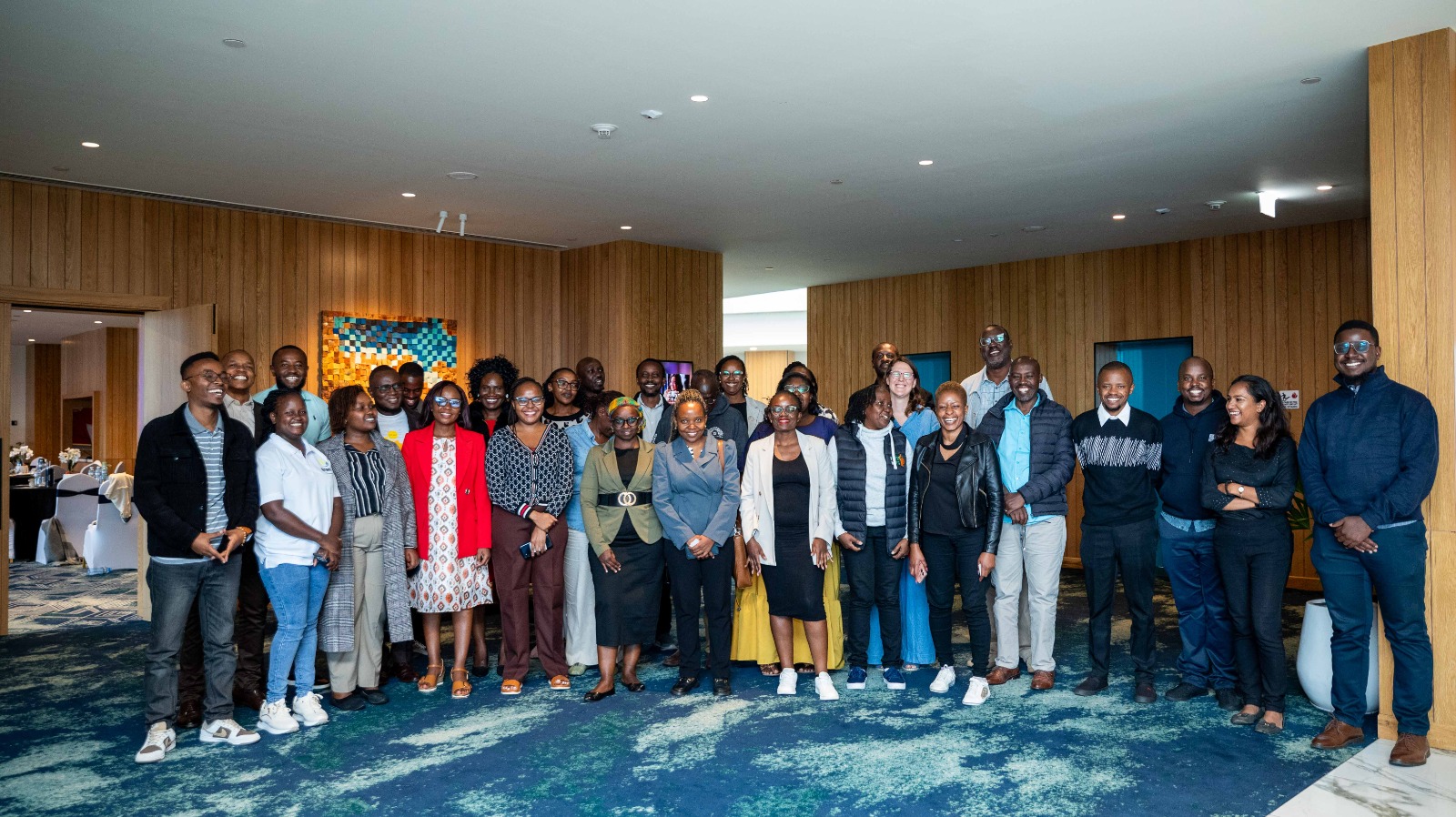
On 19th June 2026, the Kenya Association of Waste Recyclers (KAWR) participated in the Aspen Network of Development Entrepreneurs (ANDE) East Africa Access to Green Finance Learning and Dissemination Workshop. This close-out meeting under ANDE’s Access to Green Finance Project focused on reviewing progress made, sharing implementation experiences, and strengthening alignment across the waste management ecosystem.
KAWR’s implementation progress over recent months reflects a clear shift from policy dialogue to tangible, results-driven action across multiple fronts within the sector.
Significant progress was reported in advancing the Extended Producer Responsibility (EPR) framework. This included convening a series of cost validation workshops and technical working groups aimed at developing an EPR Costing Module for the waste management sector. The module is intended to support the National Environment Management Authority (NEMA) in establishing fair and evidence-based EPR fee structures.
At the county level, KAWR has continued to provide advisory support to several county governments in domesticating the Sustainable Waste Management Act, 2022. These engagements have facilitated legislative alignment and strengthened local implementation frameworks, contributing to improved coordination between national policy and county-level execution.
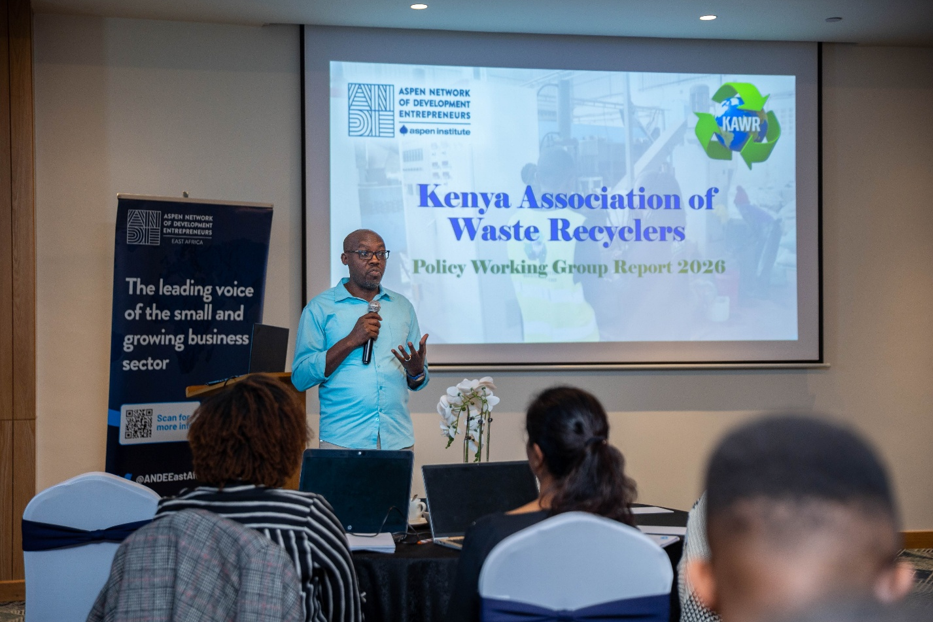
KAWR has also maintained active participation in national policy development processes. The Association contributed to the development of national reusability guidelines under the Ministry of Environment, Climate Change and Forestry and played a key role in the review and validation of the National Waste Management Information System. In addition, KAWR submitted formal sector memoranda on key draft regulations, including those relating to electronic waste management and environmental impact assessment frameworks. These contributions ensure that sector realities are adequately reflected in emerging regulatory instruments.
In the area of regulatory and tax engagement, KAWR has sustained dialogue with the Kenya Revenue Authority (KRA) to address critical issues affecting waste sector actors. These include VAT treatment, recognition of alternative documentation models suited to the informal nature of the sector, and transitional compliance mechanisms. The Association has also continued to advocate for the harmonization and removal of cess fees that hinder the efficient movement of waste across county boundaries.
Beyond policy and regulation, KAWR has taken steps to address operational challenges within the sector, including occupational health risks. The Association has facilitated discussions on mitigation strategies for hazardous exposures, such as lead contamination. Additionally, KAWR has strengthened international collaboration through technical cooperation and knowledge exchange initiatives, including engagement with the Indian Plastic Institute.
KAWR has further advanced fiscal policy engagement through the submission of memoranda on the Finance Bill 2026, articulating sector-specific proposals aimed at creating a more enabling tax environment for recycling and waste management enterprises. These submissions have focused on addressing distortive tax provisions, promoting incentives for circular economy investments, and enhancing the recognition of the sector within national fiscal frameworks. In parallel, KAWR has supported initiatives under the Sustainable Public Procurement (SPP) project, advocating for the integration of recycled materials and circular economy principles within public procurement systems as a means of stimulating market demand and scaling green enterprise development.
These and other targeted interventions reflect the deliberate and focused efforts of the collaborative project between KAWR and ANDE East Africa to create an enabling environment for the waste management and recycling sector in Kenya. While discussions noted ongoing challenges, including high compliance costs, the benefits of the project have been significant, and further progress can be achieved through sustained partnership.
KAWR expresses its sincere appreciation to ANDE East Africa for its support, which has been instrumental in delivering key project outcomes. Moving forward, KAWR will continue to build on these gains, with a focus on deepening implementation and delivering measurable impact in advancing Kenya’s transition to a circular economy.
0 Comments