KAWR, in its advocacy efforts, seeks to support the creation of an environment in which all waste streams in Kenya are effectively managed under the Extended Producer Responsibility (EPR) framework, as provided for under Section 13 of the Sustainable Waste Management Act, 2022.
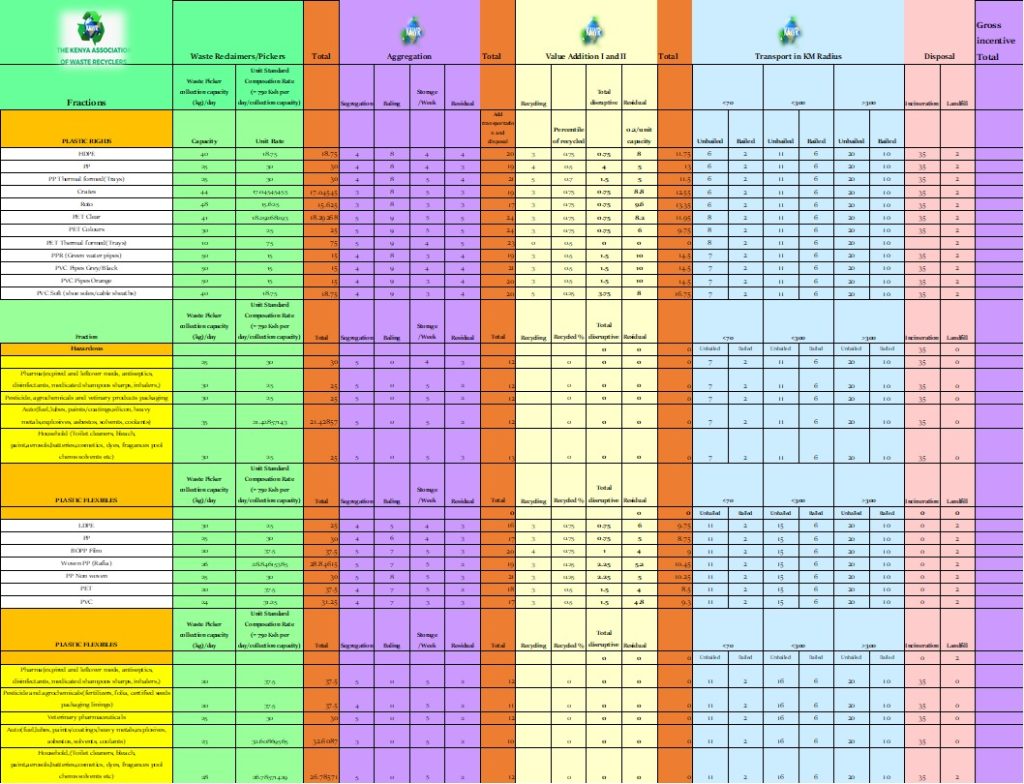
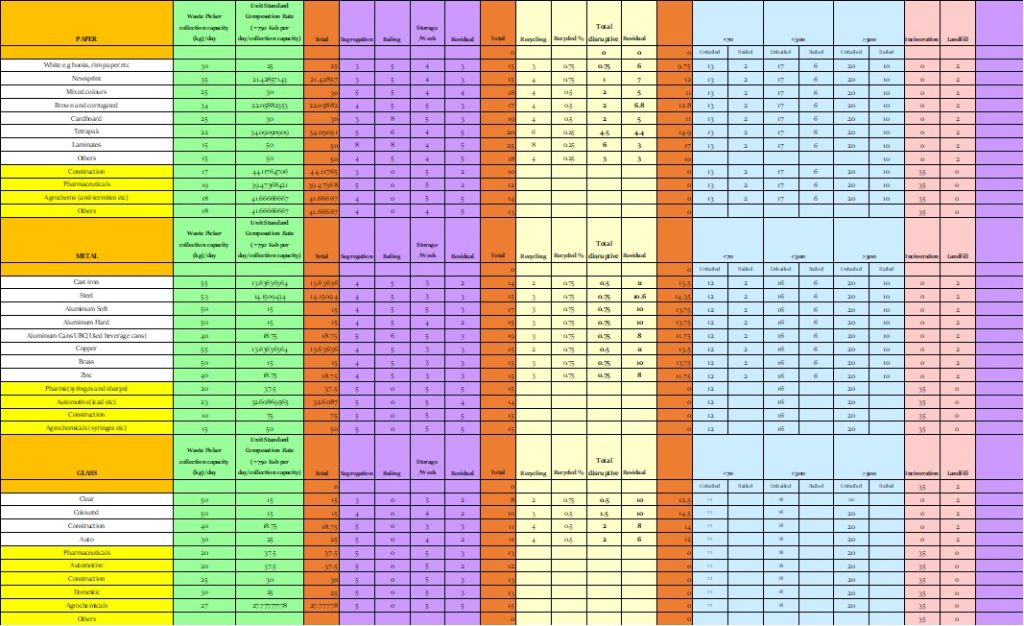
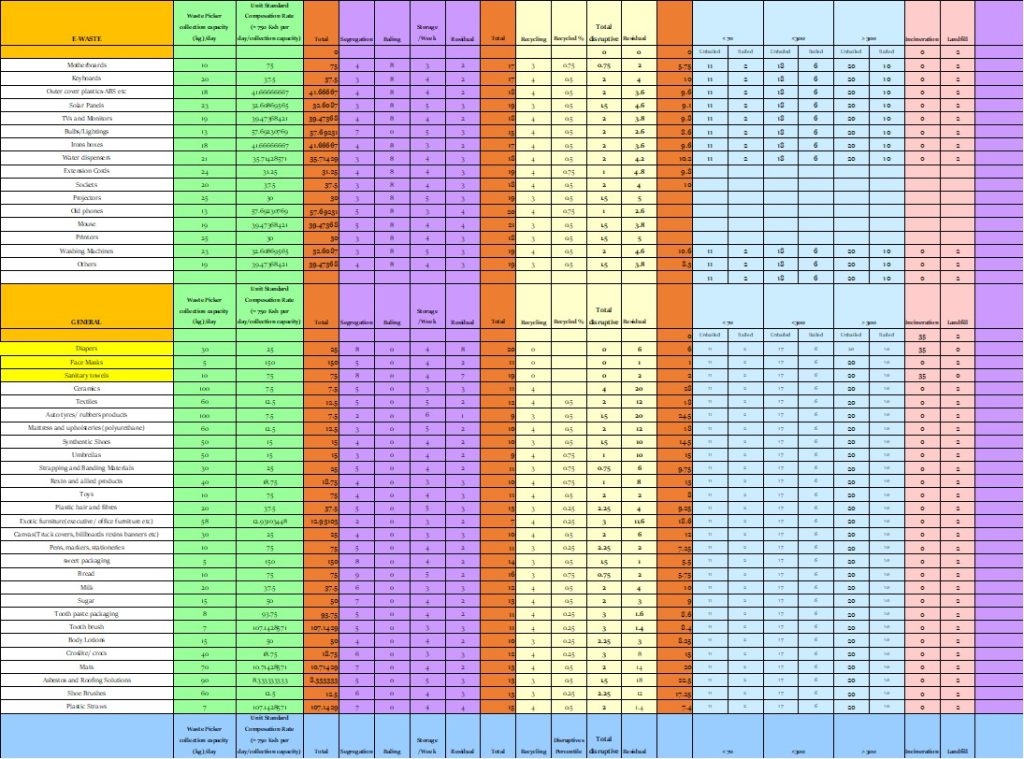
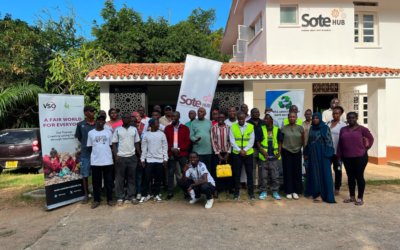
In pursuit of this objective, KAWR conducted a series of consultative engagements during the second half of 2025 with waste sector actors, both within and beyond its membership. These consultations focused on the development of a volume-based incentivization model grounded in actual cost parameters for consideration by the regulator, the National Environment Management Authority (NEMA). The engagements were held through a combination of physical and virtual sessions, culminating in a validation workshop on 5 December 2025. During this workshop, a Technical Working Group was constituted to finalize the remaining components of the model. Upon completion, KAWR formally submitted the proposal to NEMA on 29 January 2026.
The EPR Regulations, 2024, under Section 17, stipulate that each Producer Responsibility Organization (PRO) shall, at an agreed fee, be responsible for executing EPR obligations on behalf of its member producers. The Regulations further provide criteria for the calculation of EPR fees under Sections 5, 17, and 18. These criteria encompass a range of parameters, including:
- Quantity (e.g., weight, number of items placed on the market);
- Product characteristics, such as recyclability, recoverability, and presence of disruptive additives;
- Waste handling aspects, including collection, segregation, sorting, storage, and transportation;
- Waste processing considerations, such as recycling, reuse, refurbishing, and incineration;
- Final disposal requirements, including residual waste management;
- Market development for secondary raw materials;
- Research and innovation;
- Product life cycle assessments;
- Circular economy initiatives;
- Public awareness and education;
- Reporting obligations; and
- Administrative costs associated with PRO operations.
These parameters demonstrate that the determination of EPR fees is inherently multi-dimensional and may be broadly categorized into thematic areas, namely: product quantity, product chemistry, waste handling (logistics), waste processing, waste disposal, and enabling mechanisms. Collectively, these themes represent upstream, midstream, and downstream components of the waste management value chain, ensuring an integrated approach to managing material flows.
Each thematic area can be described as follows:
- Product quantity – the type and volume of products placed on the market;
- Product chemistry – the material composition of products and packaging;
- Waste handling (logistics) – the movement of waste from the point of generation to processing and disposal;
- Waste processing – the recovery of valuable materials through recycling and related processes;
- Waste disposal – the treatment and final disposal of non-recyclable fractions; and
- Enablers – supporting interventions necessary to facilitate effective waste management, including research, market development, awareness, and regulatory compliance.
Accordingly, the EPR fee may be derived as the aggregate cost across these thematic areas, multiplied by the quantity of products placed on the market. In simplified terms, the formula may be expressed as:
EPR Fee = [Cost of (Waste Handling + Waste Processing/Product Chemistry + Waste Disposal + Enablers)] × Quantity
The EPR fee is intended to fully finance waste management services. Compliance with the EPR Regulations requires producers to remit fees to PROs based on the total quantity of products declared, as calculated using this framework. This ensures the availability of adequate financial resources to meet all EPR obligations by PROs.
The submission made by KAWR was developed in alignment with these thematic areas, as outlined above.

0 Comments