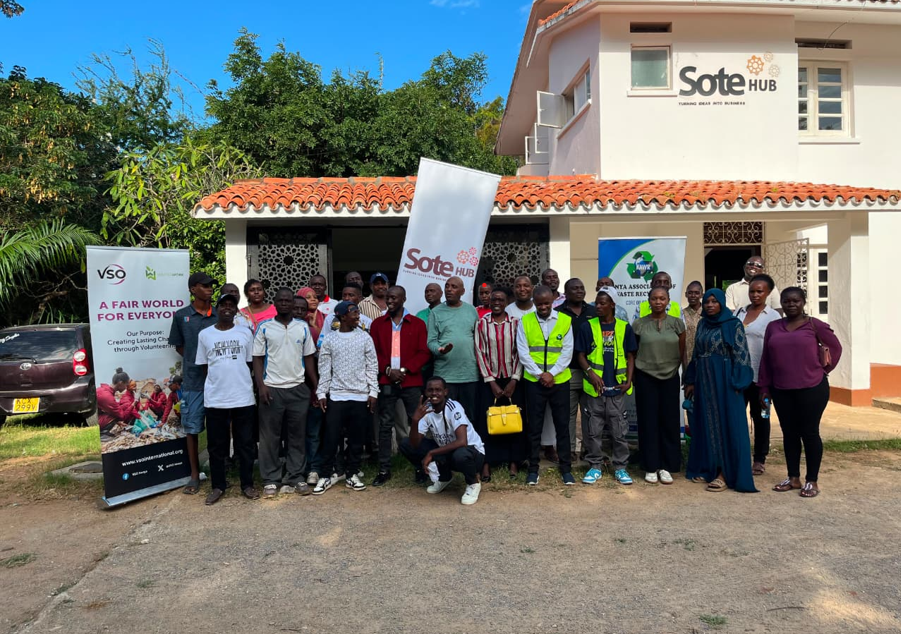
KAWR, together with Volunteer Service Oversees, convened a stakeholder workshop in Mombasa on the 24th July at Sotehub Grounds, bringing together key actors within the waste management value chain to deliberate on emerging policy and regulatory developments in the county. The meeting was anchored on reviewing the Draft Mombasa Sustainable Waste Management Bill, 2026, within the broader context of Kenya’s evolving waste governance framework.
The workshop forms part of KAWR’s ongoing policy advocacy efforts, which seek to promote a conducive and inclusive environment for the waste management sector. This is particularly relevant at a time when counties are increasingly taking steps to domesticate the Sustainable Waste Management Act, 2022, in line with their devolved mandate over waste management. KAWR continues to position itself as a key stakeholder in ensuring that such processes are not only progressive but also responsive to the realities of sector players on the ground.
Discussions during the workshop were structured around creating a shared understanding of the direction the County Government of Mombasa is taking in strengthening its waste management systems through legislation. Participants engaged in constructive dialogue, reflecting on the implications of the proposed Bill and the opportunities it presents for improving service delivery, environmental outcomes, and sector organization within the county.
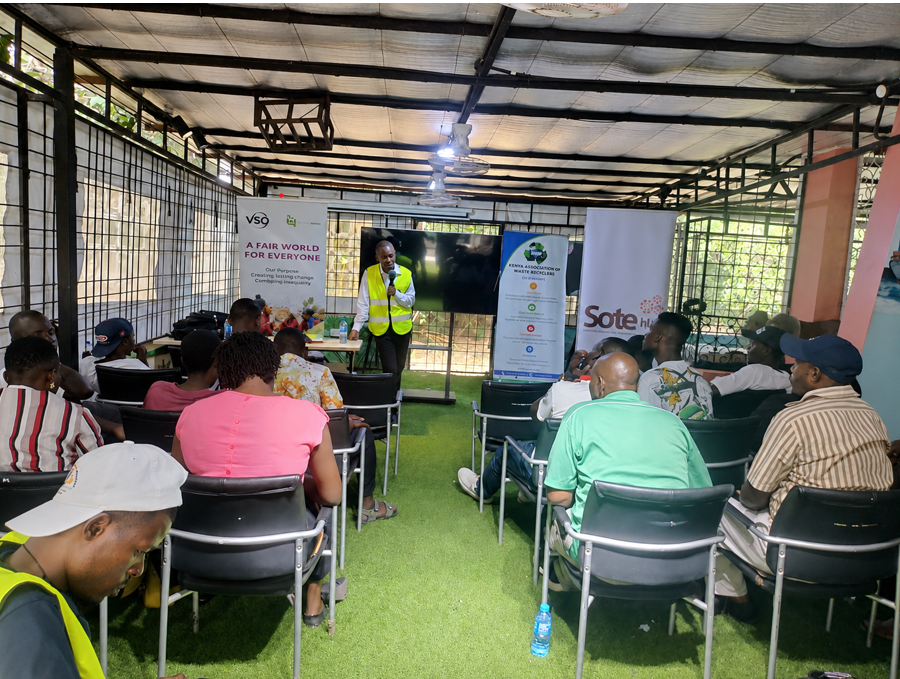
A key outcome of the meeting was the establishment of an open and organic forum that enabled waste actors to consolidate their views, experiences, and perspectives. This engagement provided a platform for stakeholders to interrogate issues collectively and build a unified position that reflects practical, experience-driven insights. The intention is to translate these discussions into a coherent and meaningful submission to the County Government of Mombasa, as it advances the legislative process.
KAWR acknowledged and appreciated the critical role that county governments play in managing waste and safeguarding environmental health. At the same time, the workshop underscored the importance of ensuring that county-level frameworks remain aligned with national policies and legislation, and that they are developed through adequate consultation with stakeholders within the waste ecosystem. Such alignment and engagement are essential in fostering consistency, avoiding fragmentation, and supporting the long-term sustainability of the sector.
In conclusion, the Mombasa workshop marked an important step in reinforcing collaborative policy development within the waste management space. KAWR will continue to engage with stakeholders and the County Government of Mombasa to support the development of a legislative framework that is reflective of the needs of the sector, while advancing the shared goal of sustainable waste management.
0 Comments